
Murder Mystery KIDS Maps Tier List
How Murder Mystery KIDS layouts favor innocents, sheriffs, or murderers.
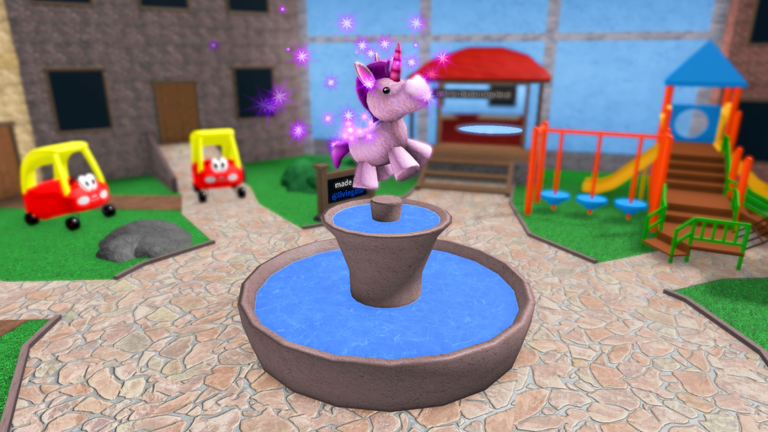
Maps decide whether your favorite role feels fair. This Murder Mystery KIDS maps tier list groups layouts by hide density, sightline clarity, and ambush potential. Exact map names can expand as blu updates the pool, so treat categories as reusable frameworks.
S tier traits: balanced multi-exit interiors
Best competitive maps give innocents two escape routes, sheriffs mid-range sightlines, and murderers at least one furniture-heavy isolate zone. Learn a clockwise and counterclockwise loop for each. Pair loops with How to Play.
A tier traits: vertical buildings
Stairs create juicy murderer ambushes and risky sheriff peeks. Innocents should avoid dead-end upper rooms unless a buddy watches the stairwell. Practice these habits in the Innocent guide.
B tier traits: open courtyards
Open spaces help sheriffs track targets and punish reckless knife sprints. Murderers must rely on edge hugging. See How to Play Murderer for tempo changes on open layouts.
C tier traits: maze clutter without landmarks
Newer players get lost, spam chat, and feed. Use landmarks: colored walls, unique props, doorway counts. The suspicion tracker helps you remember who disappeared near which landmark.
Role conversion tips by map type
- On vertical maps, sheriffs hold stair mouths rather than chasing upstairs blind.
- On open maps, innocents buddy up earlier.
- On clutter maps, murderers take slower first blood.
How we refresh rankings
After a map add or lighting change, we re-run sample rounds and note shifts in patch notes. Community feedback is welcome when it includes reproducible routes, not just vibes.
Cross links
Compare role difficulty in the roles tier list. Visit the parent Tier List Hub for methodology. Deep role pages live under Roles.
Memorize two maps deeply instead of ten maps poorly. Specialty knowledge beats vague familiarity when the timer is short and the murderer is patient.
Session notes
Map tiers reward familiarity speed—how fast you orient after spawn—and how clearly audio travels across floors. Run each map five times with the same role before judging it unfair. Note three landmarks per layout: safest Innocent cluster point, strongest Sheriff angle, and most common Murderer ambush corner.
Drill choke points on foot before chasing eliminations. Players who sprint random diagonals die to both roles. Use controls warm-ups on stairs and narrow halls specific to the map you queued. Compare your notes with friends; divergent callouts reveal blind spots.
When blu adjusts lighting or prop collision, old “safe” corners vanish silently. Re-walk perimeters after updates listed in patch notes. Screenshots of sightlines help document changes for your squad wiki.
Queue strategy: if a map tiers low for learning, play it early in session while focus is fresh—not at midnight when tilted. Pair map study with How to Play phase timing so you know when rotations compress.
Invite links should always trace to Official Links; clone maps mimic names but break muscle memory.
Map habit audit
Once per week, walk each map perimeter in a private or low-stakes lobby without hunting eliminations. Mark three props that changed collision or lighting after Roblox client updates. Cross-reference those marks with patch notes entries so your tier list reflects geometry, not nostalgia. Teaching friends? Have them draw mini-maps from memory after three rounds; gaps in their sketches reveal which layouts deserve a lower tier for learning purposes.
Frequently Asked Questions
Quick answers for Murder Mystery KIDS players.
Why are map names sometimes generic here?
The pool can change with updates. We rank layout traits so advice survives renames.
Which maps are best for beginners?
Balanced multi-exit interiors with clear landmarks are the friendliest learning grounds.
Should I dodge open maps as Murderer?
Not always. Adjust tempo and edge pathing instead of auto-dodging.